Cost of Wiring Troubleshooting
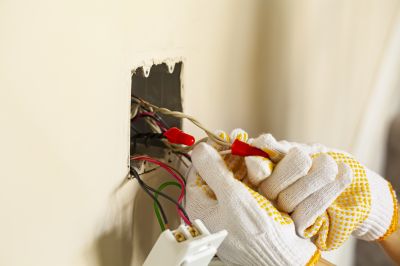
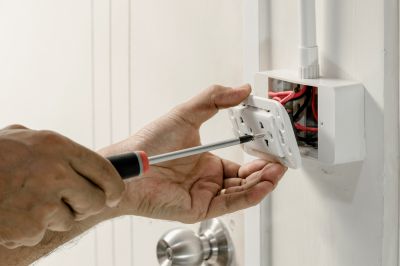
Wiring troubleshooting involves diagnosing and resolving issues within electrical systems to ensure safe and reliable operation. Costs for these services can vary depending on the complexity of the problem, the materials needed, and the scope of work required. Factors such as accessibility of wiring and site conditions may also influence the overall price.
Final pricing for wiring troubleshooting projects typically depends on several variables, including the extent of the inspection, repair or replacement parts, and labor hours involved. It is recommended to obtain detailed estimates that consider the specific scope, materials, and site conditions to better understand potential costs.
Price Range Overview
$1,200 - $2,800 (smaller scope)
$5,000 - $12,000 (larger scope)
| Project Type | Typical Range |
|---|---|
| Basic wiring repair | $1,200 - $2,000 |
| Rewiring a single room | $2,500 - $4,500 |
| Complete home wiring upgrade | $8,000 - $15,000 |
| Lighting fixture installation | $150 - $500 |
| Electrical panel replacement | $1,500 - $3,500 |
| Outdoor wiring | $2,000 - $6,000 |
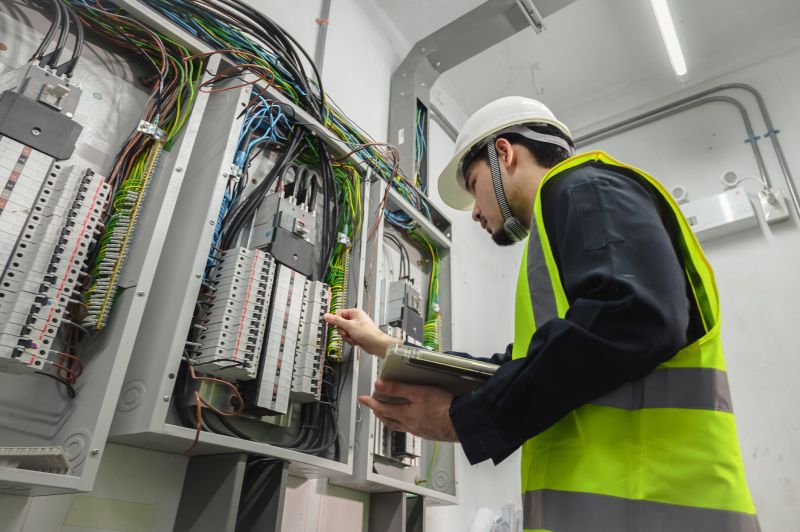
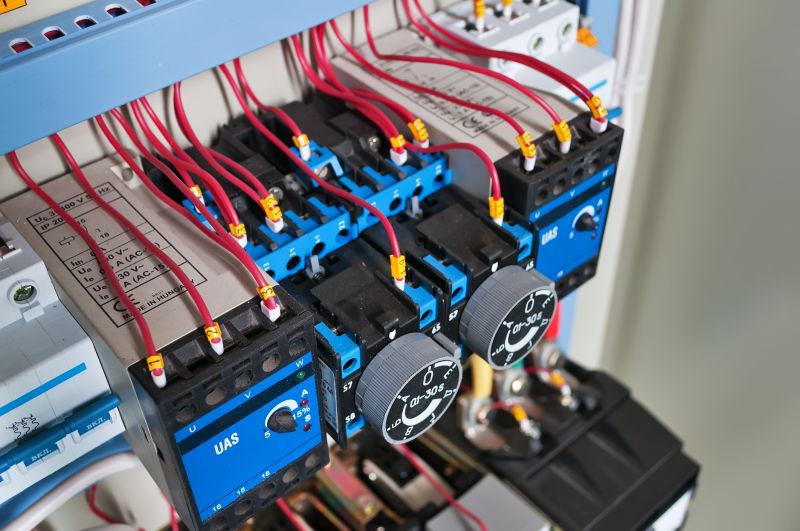
Key Cost Influencers
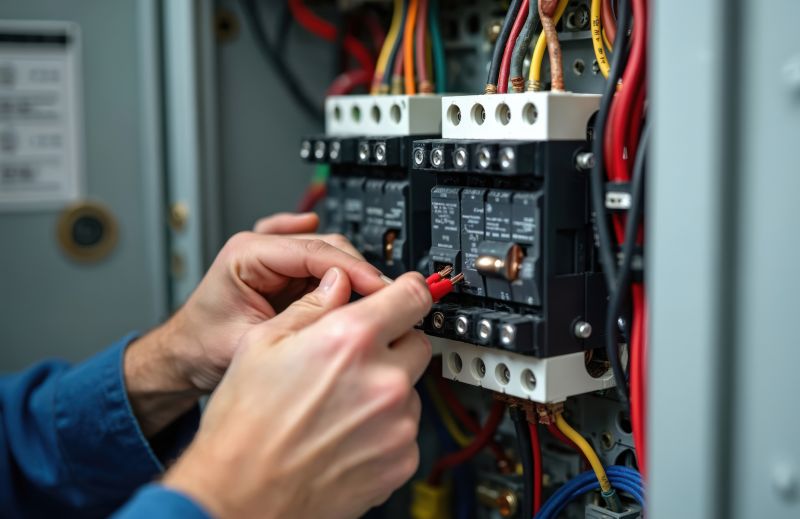
Wiring troubleshooting involves diagnosing and resolving issues related to electrical connections within a building. Understanding typical project considerations can help in planning and comparing options for electrical repairs or upgrades.
- Materials: Variety of wiring types and components may be required, depending on the scope of the issue.
- Size and Scope: The extent of wiring involved can range from minor repairs to extensive rewiring projects.
- Labor Complexity: Troubleshooting can vary from straightforward fixes to complex diagnostics requiring specialized skills.
- Permitting: Some troubleshooting or repairs may necessitate permits, especially if they involve code compliance or upgrades.
- Extras: Additional components such as switches, outlets, or safety devices may be needed based on the diagnosis.
Project Size & Details
| Scope/Size | Typical Range |
|---|---|
| Low Voltage (e.g., 12V, 24V) | Less than 10 ohms |
| Standard Residential (e.g., 120V, 240V) | 0 to 5 ohms |
| High Voltage (e.g., 600V and above) | Varies based on application |
| Ground Wire | Less than 1 ohm |
| Control Circuits | Typically 0 to 2 ohms |
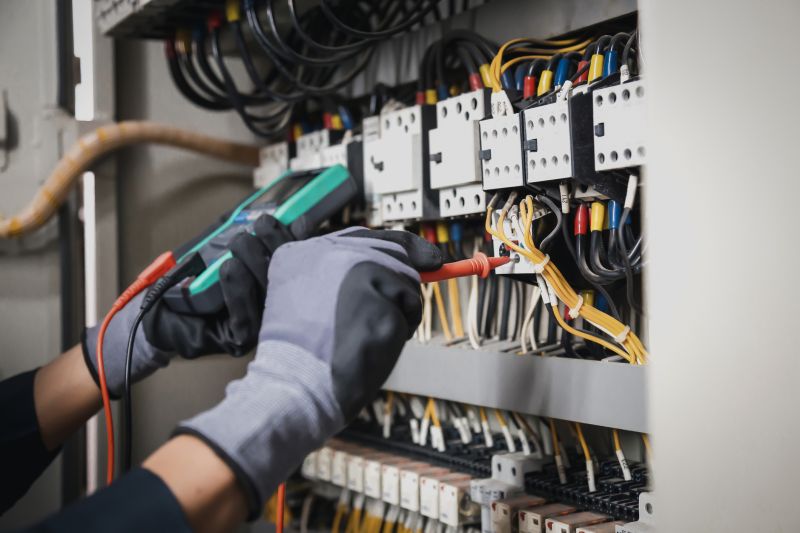
Measuring the resistance and continuity of wiring helps identify potential issues before use.